Build Your Own Canadian Rockies Road Adventure
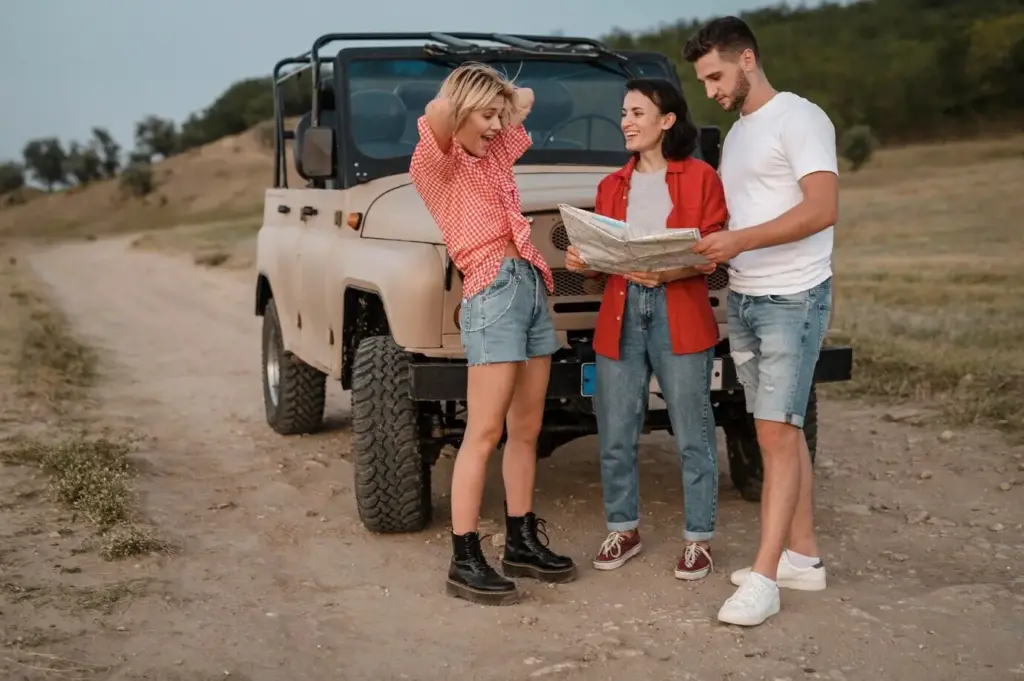
Today we dive into crafting DIY road trip itineraries for the Canadian Rockies, celebrating freedom to choose detours, linger at turquoise lakes, and catch sunrises over jagged peaks. Expect practical mileage tips, seasonal advice, safety know-how, and story-sparked suggestions that help you personalize each day, from Banff to Jasper and beyond, while honoring wildlife, weather, and your energy. Ready to design a route you’ll remember forever? Share your draft itinerary in the comments and subscribe for fresh route ideas, updated closures, and seasonal tweaks tailored to your driving style.

Mapping the Must-Drives

Trace Highway 1 to Lake Louise, slip onto the gentler Bow Valley Parkway, then cruise 93 North along the Icefields Parkway past glaciers and sweeping valleys. We’ll flag construction zones, wildlife slowdowns, and pullover etiquette, so you can stop safely for overlooks without derailing timing or missing lesser-known turnouts that lead to quieter perspectives.

Balancing Miles and Moments

Use a simple ratio: for every two hours of driving, plan at least one unhurried stop and one short walk. Sunrises deserve extra space, and midafternoon crowds require patience. Build generous buffers between anchor locations, especially when weather shifts, shuttle lines expand, or a waterfall’s roar convinces you to stay longer.

Seasonal Variations

Road conditions transform the personality of every mile. Spring can leave snow on shaded shoulders; summer brings construction and wildfire smoke; autumn offers larch gold with early frost; deep winter narrows daylight. Always verify closures, tire requirements, and avalanche controls before committing, and flex plans so safety guides where curiosity goes.

Camp, Cabin, or Cozy Inn?
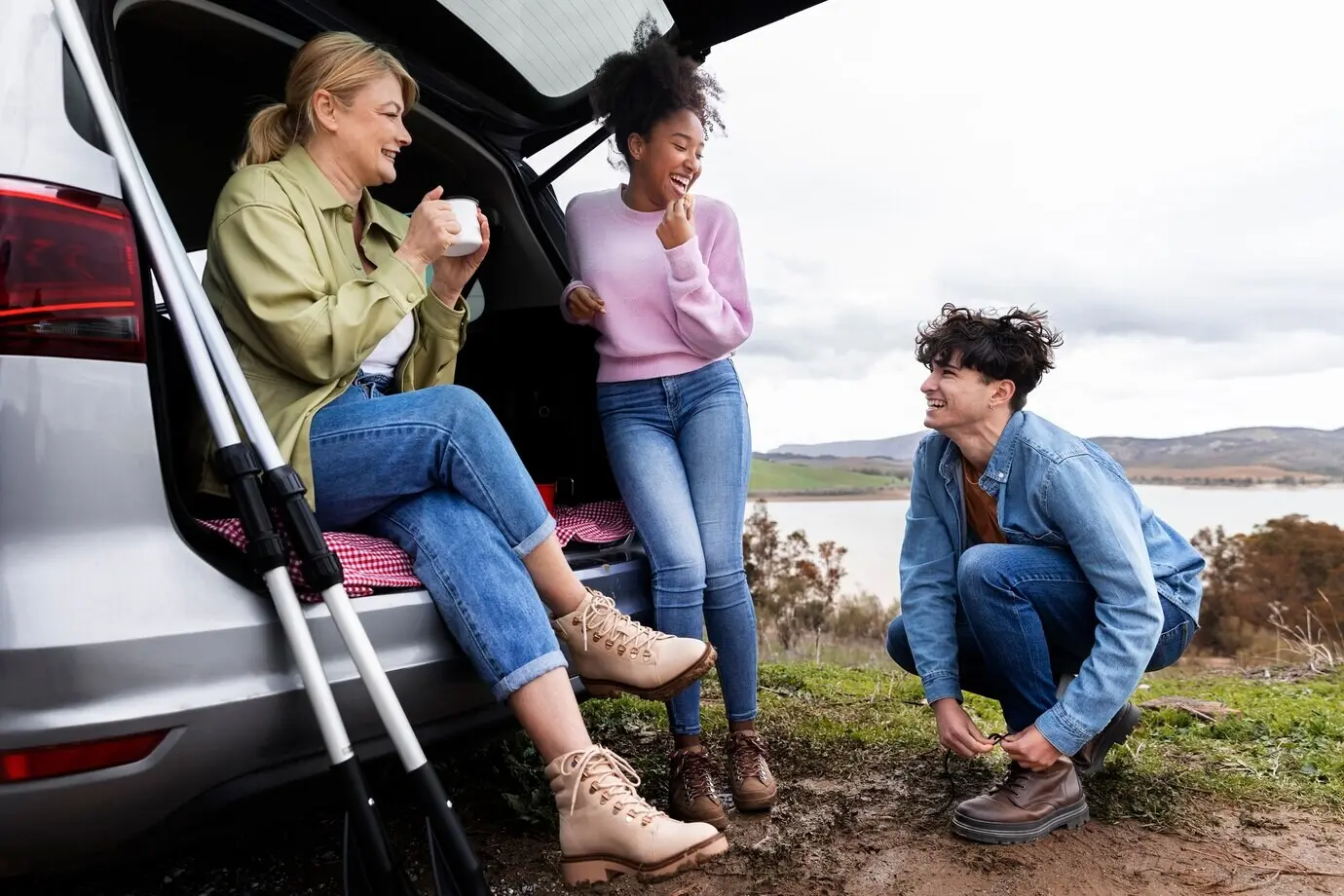
Decide how you want nights to feel: pine-scented campfire embers, quiet cabins with steaming mugs, or heritage inns near walkable streets. We’ll outline reservation windows, first-come options, and cancellation nuances, plus bear-safe storage, shower logistics, and early-bird strategies. You’ll match comfort level and budget without sacrificing sunrise access, dark skies, or restful recovery between big drives.
Campground bookings open early and vanish fast. Set alerts, join waitlists, and watch for last-minute cancellations around midweek. When availability slips, widen your radius to Kananaskis or provincial parks. Mix one splurge night with economical stays, and always confirm access hours, fire bans, and quiet times before committing unrefundable nights.
Choose bases that shorten pre-dawn drives: Lake Louise for Moraine Lake shuttles, Jasper for Pyramid and Patricia reflections, or Yoho for the thunder of Takakkaw Falls. Dark-sky opportunities abound; plan new moon windows, pack a tripod, and embrace warm layers so star sessions remain comfortable, memorable, and unhurried even in shoulder seasons.
Mountain nights test gear choices. A four-season sleeping bag, closed-cell pad beneath an inflatable, and vented tent reduce condensation and shivers. For cabins or inns, bring compact humidifiers and blackout masks. Bear-aware cooking, organized food bins, and tidy camps keep visitors safe, while earplugs help when wind rattles trees like restless waves.

Sights Beyond the Postcard

Everyone recognizes turquoise icons, yet countless quieter spots deliver equal wonder. We’ll guide you to boardwalks, lesser-known viewpoints, and interpretive trails where storytelling deepens landscapes. Detours might add minutes but reward you with glacial textures, canyon echoes, railway history, and moments of stillness that settle nerves and sharpen gratitude for every mile traveled.

Short Hikes with Outsize Payoffs

Seek trails that start strong and finish stronger: Johnston Canyon to the ink pots, Jasper’s Valley of the Five Lakes, or Yoho’s Emerald Basin. Elevation stays friendly, but the scenery surges. Carry microspikes in shoulder seasons, pause for interpretive signs, and encourage companions to share what surprised them most at each stop.

Half-Day Loops Worth the Detour

Half-day walks unlock rhythm without exhausting legs. Try Edith Cavell Meadows when conditions allow, Wilcox Pass for glacier drama, or Paget Lookout for sweeping valleys. Pack layered clothing, hearty snacks, and extra water. Build return cutoffs so weather, trail traffic, and energy levels steer decisions rather than stubborn checklists that ignore safety.

Rainy-Day Gems and Museum Stops

When skies open, embrace indoor curiosities. Explore the Cave and Basin site in Banff, the Whyte Museum’s archives, or Jasper’s Yellowhead exhibits. Coffeehouses become trip-planning studios; organize photos, update weather checks, and journal fresh impressions. Rain often lifts, leaving rainbows and washed air that make next stops sparkle even brighter.

Wildlife Encounters, Respectfully

The Rockies are home, not a zoo. Encounters should preserve natural behavior and safety for everyone. We’ll outline respectful distances, no-feeding rules, and pullout etiquette, while sharing moments when patience paid off: a roadside elk at dawn, goats above treeline, and a bear grazing far across a flowered meadow.

Photographing Without Stressing Animals

Let images tell a calm story. Use long lenses, switch vehicles off, and stay inside when appropriate. Never block lanes or surround animals. Avoid calls, bait, or drone buzz. Learn Parks Canada’s distance guidance and track wind direction so scent doesn’t drift forward, startling wildlife mid-forage or redirecting them onto busy roads.

Driving Smart in Animal Corridors

Scan road edges, especially at dawn and dusk near river flats. Obey reduced speed signs through known corridors and prepare for sudden stops. Keep headlights clean, maintain following distance, and resist swerving; controlled braking saves lives. Report dangerous situations to authorities, and teach passengers to watch attentively without shouting directions from surprise.

Budgeting the Journey Without Cutting Magic

Spiraling views don’t require spiraling costs. With a clear plan, you’ll track fuel, lodging, food, passes, and activities while leaving room for occasional treats. We’ll compare grocery stops, discuss Discovery Pass value, note shuttle fees, suggest free lookouts, and highlight simple habits that protect budgets without dampening wonder or spontaneity.

Packing a Practical Emergency Kit

Pack a compact compressor, jumper cables, tow strap, emergency blanket, and headlamp with spare batteries. Add a first-aid kit tailored for blisters and altitude headaches, plus a paper map for dead zones. Store bear spray separate from cooking gear, and keep a bright safety vest ready for roadside situations after dusk.

Reading the Sky and Forecast Tools

Mountain forecasts change by hour. Bookmark Environment Canada, Avalanche Canada in season, and park webcams. Read cloud shapes signaling incoming systems, and set alerts for air quality when wildfire seasons intensify. Track wind on ridgelines, check freezing levels, and choose valley alternatives when summit thunderheads build or visibility vanishes along exposed overlooks.

What to Do When Plans Change

When closures strike, breathe, reassess, and communicate. Identify backup lakes, lesser-used passes, or an extra night in a welcoming town. Swap long hikes for waterfalls, museums, or a meandering picnic beside a river. Resilience becomes memory-making magic when you invite curiosity to lead detours rather than clinging to rigid checklists.

Weather, Safety, and Road Readiness

Mountains teach flexibility. Weather flips fast, smoke drifts, and traffic surprises. We’ll prepare your vehicle, backup plans, and mindset so pivots feel empowering, not disappointing. From tire choices and coolant checks to forecast tools and respectful reroutes, you’ll keep momentum, stay safe, and find unexpected beauty when plans inevitably evolve.
Kamafulotuvofu
Privacy Overview

This website uses cookies so that we can provide you with the best user experience possible. Cookie information is stored in your browser and performs functions such as recognising you when you return to our website and helping our team to understand which sections of the website you find most interesting and useful.